A practical guide to this topic
Budgeting sets a financial plan; forecasting estimates what may happen as information changes. FP&A brings these together with scenarios and performance analysis so managers can discuss resources, risks and decisions using explicit assumptions.
For FP&A analysts, budget owners and managers deciding how to allocate resources.
Begin with the decision rather than the spreadsheet. A near-term cash forecast answers questions about receipts, payments and funding; a longer-term view supports investment and financing discussions. A capital project has a different spending horizon from routine operating costs. Keeping these distinctions visible helps teams choose the inputs and level of detail they actually need.
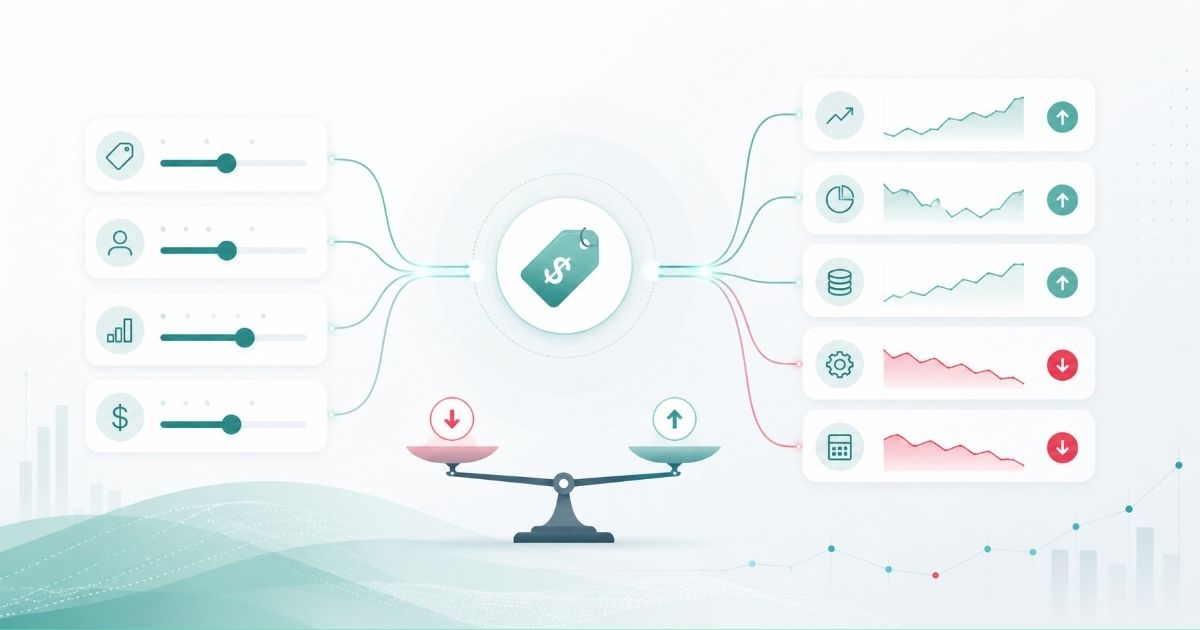
A budget-versus-actual comparison is the feedback loop. Calculating a difference is only the beginning: analysts need the original budget logic and operational context to explain it. When the assumptions change, a forecast or scenario can show their possible effect without pretending the outcome is certain. Working-capital information adds another view of cash tied up in day-to-day operations.
This learning path starts with FP&A’s remit, then moves into variance reports, cash horizons and capital spending. It is suited to analysts preparing a planning conversation and budget owners learning the finance vocabulary. Reporting and automation covers the reliable actuals that feed the plan; Excel and modeling helps turn assumptions into an understandable model.
Tasks to explore
- Explain a budget variance
- Choose a cash forecast horizon
- Separate capital and operating plans
- Make scenario assumptions explicit
A learning path
- What is FP&A?
- The Guide to Creating a Variance Analysis Report in Excel
- Short-Term vs Long-Term Cash Flow Forecasting
- What is CapEx?
- CapEx vs. OpEx: What’s the Difference?
Common questions
Are a budget and forecast the same?
A budget is a plan; a forecast is an estimate that can change as new information arrives.
Why compare actuals with a plan?
The comparison highlights differences that need explanation and may inform revised assumptions or actions.
Which cash horizon is best?
The horizon should fit the decision: upcoming commitments need near-term detail, while investment plans need a longer view.
Connect this topic with Reporting & Automation and Excel & Modeling. See the Knowledge directory and glossary for more reading routes.